Introduction
As a Durable Medical Equipment (DME) provider, obtaining and maintaining Medicare credentialing is crucial for your business’s success and compliance. In 2024, the landscape of Medicare DME credentialing continues to evolve, presenting both challenges and opportunities for providers. This comprehensive guide will walk you through the latest requirements, help you navigate the Provider Enrollment, Chain, and Ownership System (PECOS), and provide strategies to ensure a successful credentialing process.
Overview of Medicare DME Credentialing in 2024
Medicare DME credentialing is the process by which the Centers for Medicare & Medicaid Services (CMS) verifies that your business meets all necessary requirements to provide DME services to Medicare beneficiaries. This process ensures that only qualified, compliant providers can bill Medicare for DME supplies and services.
Key aspects of Medicare DME credentialing in 2024 include:
- Adherence to the 30 Medicare Supplier Standards
- Enrollment through the PECOS system
- Accreditation by a CMS-approved organization
- Compliance with all federal and state regulations
- Regular revalidation of your enrollment information
Key Changes in Medicare Requirements This Year
As we navigate through 2024, it’s crucial to stay informed about recent changes in Medicare DME credentialing requirements:
- Enhanced Scrutiny: CMS has increased its focus on fraud prevention, leading to more rigorous screening processes.
- Digital Transformation: There’s a greater emphasis on electronic submission and verification of credentials.
- Telehealth Integration: New guidelines for DME providers offering telehealth services have been implemented.
- Cybersecurity Standards: Stricter requirements for protecting patient data and maintaining secure systems are now in place.
- Quality Reporting: Enhanced quality metrics and reporting requirements have been introduced for certain DME categories.
Navigating the Provider Enrollment, Chain, and Ownership System (PECOS)
PECOS is the online portal used for Medicare provider enrollment. Here’s a step-by-step guide to navigating PECOS for your DME credentialing:
- Create an Account: If you haven’t already, create a PECOS account at https://pecos.cms.hhs.gov/.
- Gather Information: Before starting, ensure you have all necessary information, including your NPI, tax ID, and licensure details.
- Start a New Application: Choose “DME Supplier” as your provider type when initiating a new enrollment.
- Complete All Sections: PECOS will guide you through various sections, including:
- Identifying Information
- Practice Location Information
- Ownership Information
- Final Adverse Legal Actions/Convictions
- Billing Agency Information
- Upload Supporting Documents: Attach all required documentation, such as licenses, accreditation certificates, and liability insurance proof.
- Review and Submit: Carefully review all information before submitting your application.
- Track Your Application: Use PECOS to monitor the status of your application and respond promptly to any requests for additional information.
- Standard 1: Compliance with all applicable federal and state licensure and regulatory requirements.
- Standard 3: Maintenance of a physical facility on an appropriate site, accessible to the public and staffed during posted hours of operation.
- Standard 7: Maintenance of a comprehensive liability insurance policy in the amount of at least $300,000.
- Standard 8: Purchase of a surety bond in the amount of $50,000.
- Standard 14: Provision of complete and accurate information on the DMEPOS claim form.
- Standard 25: Active participation in the Medicare program and not under revocation or other sanctions.
- Incomplete or inaccurate information on the application
- Failure to meet one or more of the 30 supplier standards
- Lack of required accreditation or licensure
- Insufficient documentation to support the application
- Failure to respond timely to requests for additional information
- Non-compliance with CMS policies and procedures
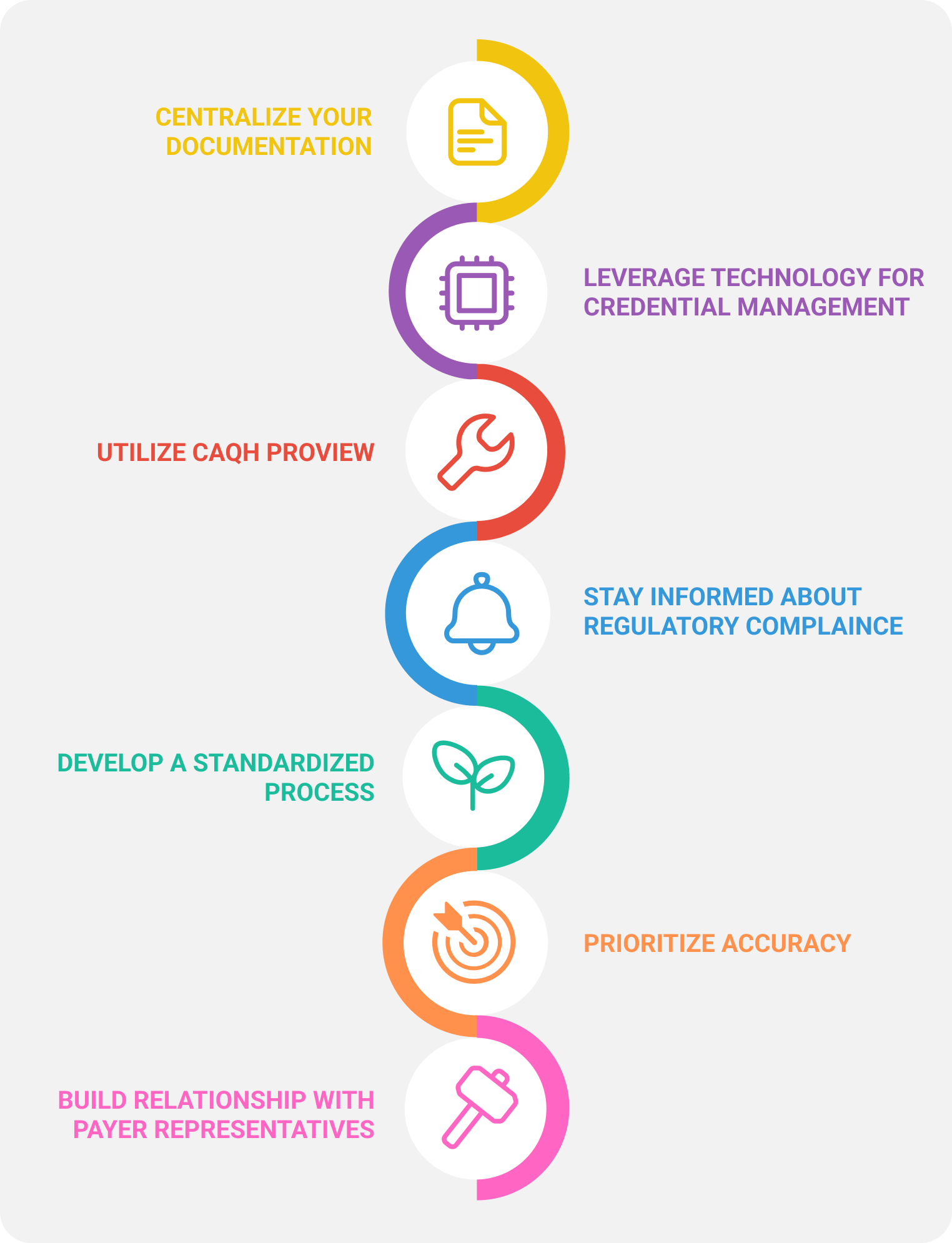
- Start Early: Begin the credentialing process well in advance of when you plan to start billing Medicare.
- Stay Organized: Maintain a detailed checklist of all required documents and information.
- Leverage Technology: Use credentialing software to streamline document management and track application progress.
- Educate Your Team: Ensure all staff members understand the importance of maintaining compliance with Medicare standards.
- Conduct Regular Self-Audits: Periodically review your practices to ensure ongoing compliance with all standards.
- Seek Expert Assistance: Consider partnering with credentialing specialists who can guide you through the process.
- Comprehensive assistance with PECOS navigation and application submission
- Expert review of your documentation to ensure compliance with all supplier standards
- Guidance on accreditation and licensure requirements
- Ongoing support for maintaining your Medicare credentials and preparing for revalidation
Medicare Supplier Standards: A Deep Dive
Medicare requires all DME suppliers to meet 30 supplier standards. Here’s a closer look at some key standards:
[Include a full list or link to all 30 standards]
Common Reasons for Medicare DME Application Denials
Understanding common pitfalls can help you avoid delays or denials. Here are frequent reasons for application rejections:
Strategies for a Successful Medicare DME Credentialing Process
To increase your chances of a smooth credentialing process, consider these strategies:
Conclusion
Navigating Medicare DME credentialing in 2024 requires attention to detail, commitment to compliance, and a thorough understanding of the latest requirements. By familiarizing yourself with the PECOS system, adhering to the supplier standards, and implementing strategic approaches, you can successfully obtain and maintain your Medicare DME credentials.
Remember, credentialing is an ongoing process. Stay informed about changes in regulations and be prepared for regular revalidation to ensure your continued participation in the Medicare program.
How WWS Can Help
At WWS, we specialize in guiding DME providers through the complex Medicare credentialing process. Our team of experts stays up-to-date with the latest CMS requirements and can provide:
Let WWS be your partner in achieving and maintaining Medicare DME credentialing success. Our expertise can save you time, reduce stress, and minimize the risk of application denials or delays.
CTA
Ready to streamline your Medicare DME credentialing process? Schedule an introductory meeting with our experts today! Click here to book your Collaborative Discovery Meeting: https://calendly.com/wwshcs/wws-collaborative-discovery-meeting