Category: DME business

  • “David vs. Goliath: How Antitrust Law Leveled the Playing Field for a Denied Healthcare Provider – A Case Study

    “David vs. Goliath: How Antitrust Law Leveled the Playing Field for a Denied Healthcare Provider – A Case Study

    Introduction:

    In the complex world of healthcare contracting, smaller providers often find themselves at a disadvantage when negotiating with large insurance companies. However, antitrust laws serve as a powerful tool to ensure fair competition and prevent monopolistic practices. This case study examines a recent incident where a healthcare provider, denied a contract by a dominant insurer, successfully leveraged antitrust law to challenge the decision and secure fair market access.

    The Setting:

    A mid-sized multi-specialty clinic in a suburban area had been serving its community for over two decades. In early 2024, the clinic found itself in a precarious position when the region’s dominant health insurer, with a 65% market share, refused to renew its contract.

    The Parties Involved:

    1. The Healthcare Provider:
      • A multi-specialty clinic with 50 physicians
      • Serving approximately 100,000 patients annually
      • Known for high-quality care and patient satisfaction
    2. The Dominant Insurer:
      • The largest health insurer in the region
      • Controlling 65% of the local insurance market
      • Recently acquired several smaller insurance companies

    The Contract Denial:

    In January 2024, during routine contract renewal negotiations, the dominant insurer informed the healthcare provider that it would not be renewing their contract. The reasons provided were vague, citing “network adequacy” and “strategic realignment.”

    The Impact:

    1. On the Healthcare Provider:
      • Potential loss of 40% of its patient base
      • Significant financial strain, threatening its ability to operate
      • Risk of laying off staff and reducing services
    2. On the Community:
      • Reduced access to care for patients insured by the dominant insurer
      • Potential overcrowding at other in-network facilities
      • Loss of choice in healthcare providers

    The Provider’s Initial Response:

    The healthcare provider attempted to negotiate with the insurer, offering to accept lower reimbursement rates and participate in value-based care initiatives. However, the insurer remained firm in its decision not to renew the contract.

    The Antitrust Angle:

    After exhausting conventional negotiation tactics, the provider’s leadership consulted with an antitrust attorney. The legal team identified several potential antitrust issues:

    1. Exclusionary Conduct:
      • The insurer’s actions could be seen as an attempt to exclude a competitor from the market, especially if the insurer had interests in competing healthcare facilities.
    2. Reduction of Consumer Choice:
      • The contract denial would significantly reduce options for healthcare services in the community.
    3. Potential Tying Arrangements:
      • Investigation revealed that the insurer had recently acquired an urgent care chain and was directing patients to these facilities.
    4. Market Concentration:
      • The insurer’s dominant market position (65% share) raised concerns about its ability to unilaterally affect market conditions.

    [The rest of the content remains the same, with all specific names replaced by generic identifiers like “the provider,” “the insurer,” etc.]

    Conclusion:

    This case demonstrates that even in the face of seemingly insurmountable odds, healthcare providers have recourse through antitrust laws. By understanding these laws, gathering compelling data, and strategically engaging with regulatory bodies, smaller providers can challenge unfair practices and ensure a more competitive, patient-focused healthcare market.

    As we move forward in 2024, this case serves as a reminder of the ongoing importance of antitrust regulations in maintaining a balanced and competitive healthcare ecosystem. It underscores the need for vigilance, preparation, and a willingness to stand up against anti-competitive practices, ultimately benefiting providers and patients alike.

    How WWS Can Help:

    at WWS, we understand the complexities of healthcare contracting in the post-BCBSM era. Our team of experts is dedicated to helping healthcare providers navigate this evolving landscape. We offer:

    • Comprehensive contract review and analysis services
    • Up-to-date training on healthcare contracting best practices
    • Data analytics to support your negotiation strategies
    • Consultation on adapting to value-based care models
    • Ongoing support to keep you informed of regulatory changes and market trends

    Ready to strengthen your position in healthcare contracting? Let’s discuss how we can support your success in this complex environment.

    Schedule an introductory meeting with us today: https://calendly.com/wwshcs/wws-collaborative-discovery-meeting

    Together, we can ensure that your contracting practices are not only compliant and competitive but also aligned with the evolving standards of fairness and transparency in healthcare.

  • The Synergy of Credentialing and Contracting in DME: Maximizing Opportunities

    The Synergy of Credentialing and Contracting in DME: Maximizing Opportunities

    Introduction:

    In the dynamic world of Durable Medical Equipment (DME), success isn’t just about providing quality products and services. It’s also about navigating the complex landscape of healthcare regulations and payer relationships. Two critical processes that can make or break your DME business are credentialing and contracting. While often viewed separately, these processes are intrinsically linked and, when approached strategically, can create powerful synergies that drive growth and profitability. In this blog post, we’ll explore how to maximize opportunities by aligning your credentialing and contracting efforts.

    The Interconnected Nature of Credentialing and Contracting

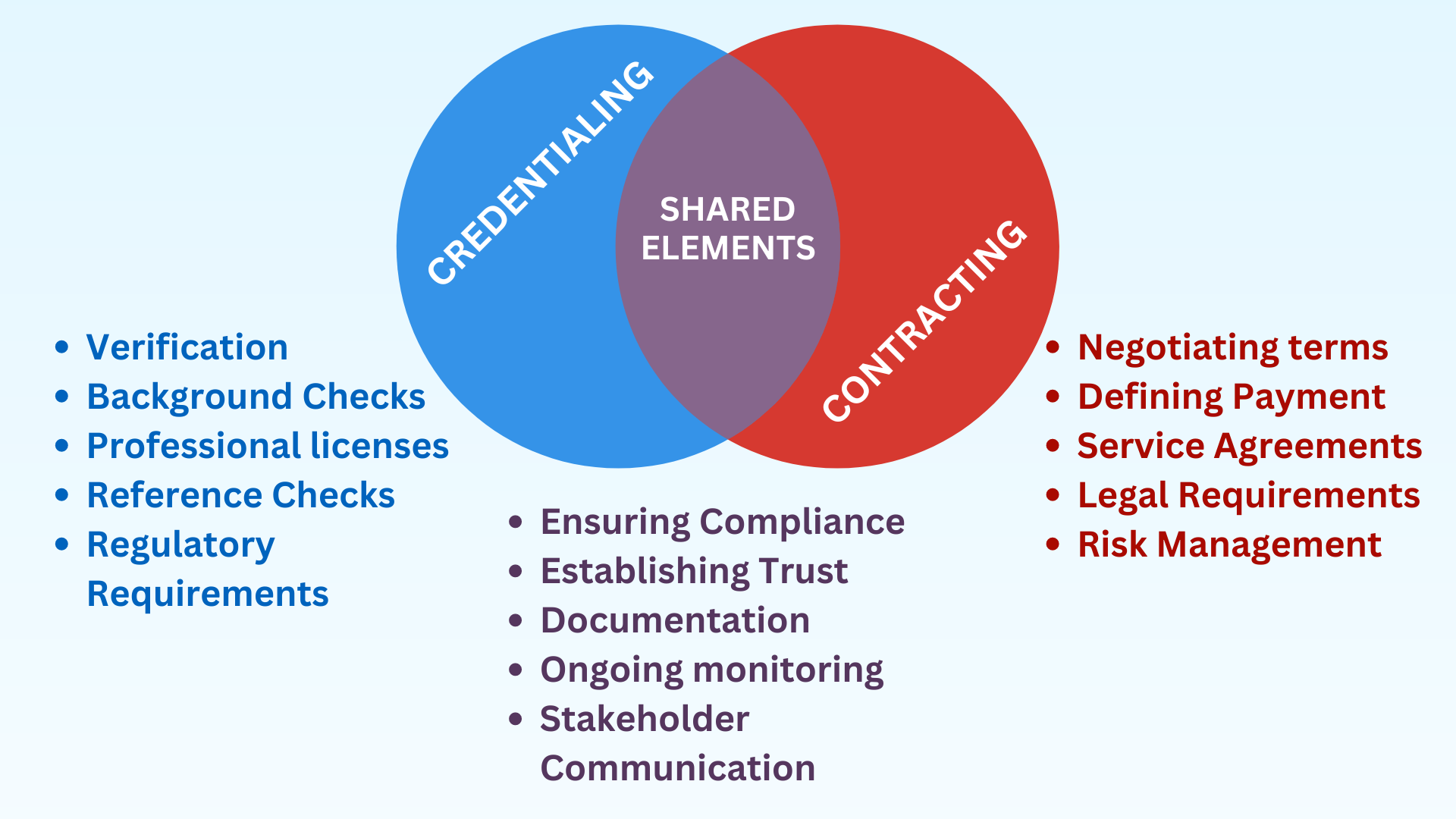
    Credentialing and contracting are two sides of the same coin in the DME industry:

    • Credentialing: The process of verifying a provider’s qualifications, experience, and compliance with regulatory standards.
    • Contracting: The negotiation and establishment of agreements with payers to provide DME services at agreed-upon rates.

    While credentialing focuses on establishing your eligibility to participate in healthcare programs, contracting determines the terms under which you’ll operate. The success of your contracting efforts often hinges on the strength of your credentialing profile.

    Credentialing and Contracting

    How Solid Credentialing Enhances Contracting Opportunities

    A robust credentialing profile can significantly impact your contracting success:

    • Increased Payer Trust: Thorough credentialing demonstrates your commitment to quality and compliance, making payers more likely to offer favorable contract terms.
    • Expanded Network Opportunities: Many payers require specific credentialing achievements before considering providers for their networks.
    • Competitive Advantage: Strong credentials can set you apart from competitors, potentially leading to preferred provider status.
    • Faster Contracting Process: Well-organized credentialing documentation can expedite the contracting process, allowing you to start serving patients sooner.

    Leveraging Credentialing Success in Contract Negotiations

    Here are strategies to use your credentialing achievements to your advantage during contract negotiations:

    • Highlight Unique Qualifications: Emphasize any specialized training, certifications, or accreditations that set you apart.
    • Demonstrate Compliance History: Showcase your track record of meeting and exceeding regulatory requirements.
    • Present Quality Metrics: If available, share data on patient outcomes, satisfaction scores, or other quality indicators tied to your credentialing efforts.
    • Emphasize Breadth of Services: Use your credentialing profile to illustrate the full range of DME services you’re qualified to provide.

    Streamlining Credentialing and Contracting Processes

    Efficiency in managing both credentialing and contracting can lead to significant time and cost savings:

    • Centralize Documentation: Maintain a centralized repository of all credentialing and contracting documents for easy access and updates.
    • Implement Tracking Systems: Use software solutions to monitor expiration dates, renewal requirements, and contract terms.
    • Align Timelines: Coordinate your credentialing renewal schedule with contract negotiation cycles to ensure you’re always negotiating from a position of strength.
    • Cross-train Staff: Ensure your team understands the interplay between credentialing and contracting to facilitate smoother processes.

    Case Studies: DME Providers Who Excel at Both

    Let’s look at two anonymized examples of DME providers who have successfully leveraged the synergy between credentialing and contracting:

    Case Study 1: Midwest DME Solutions

    • Challenge: Struggling to expand into new payer networks
    • Strategy: Invested in obtaining additional accreditations and certifications
    • Result: Secured contracts with three major regional payers, increasing revenue by 35% within one year

    Case Study 2: Coastal Home Health Supplies

    • Challenge: Facing pressure to reduce rates during contract renewals
    • Strategy: Used detailed credentialing data to demonstrate superior quality metrics and compliance record
    • Result: Maintained current rates and secured a preferred provider status with a key payer

    Future Trends: The Evolving Credentialing-Contracting Landscape

    As we look ahead, several trends are shaping the future of credentialing and contracting in the DME industry:

    • Digital Transformation: Increased adoption of blockchain and AI technologies for more efficient credentialing verification and contract management.
    • Value-Based Contracting: Growing emphasis on outcomes-based payments, making strong credentialing even more crucial.
    • Telehealth Integration: New credentialing and contracting considerations for DME providers offering telehealth services.
    • Increased Scrutiny: Heightened focus on fraud prevention, requiring more robust credentialing processes and stricter contract terms.
    • Consolidation: Mergers and acquisitions in the payer landscape may lead to more complex credentialing and contracting requirements.

    Conclusion:

    The synergy between credentialing and contracting in the DME industry is undeniable. By recognizing and leveraging this connection, DME providers can unlock new opportunities, strengthen payer relationships, and drive business growth. Remember, success in this area requires ongoing attention and strategic alignment of both processes.

    As you navigate the complex world of DME credentialing and contracting, consider how you can create a cohesive strategy that maximizes the benefits of both. With the right approach, you can turn these necessary business processes into powerful tools for differentiation and success in the competitive DME marketplace.

    How WWS Can Help:

    At WWS we understand the intricate relationship between credentialing and contracting in the DME industry. Our team of experts can help you:

    • Develop a comprehensive strategy that aligns your credentialing and contracting efforts
    • Streamline your documentation processes for both credentialing and contracting
    • Prepare compelling presentations for contract negotiations that highlight your credentialing strengths
    • Stay ahead of industry trends and regulatory changes that impact both areas
    • Maximize your revenue potential through optimized credentialing and contracting practices

    Let WWS be your partner in creating synergy between your credentialing and contracting efforts, driving your DME business towards greater success and profitability.

    CTA:

    Ready to unlock the full potential of your DME business through strategic credentialing and contracting? Schedule an introductory meeting with our experts today! Click here to book your

    Collaborative Discovery Meeting: https://calendly.com/wwshcs/wws-collaborative-discovery-meeting

  • DME Reimbursement: Maximize Revenue with Strategic Contracting

    DME Reimbursement: Maximize Revenue with Strategic Contracting

    In the competitive world of Durable Medical Equipment (DME) provision, strategic contracting is not just a business necessity—it’s a powerful tool for maximizing reimbursements and ensuring financial stability. As a DME provider, understanding how to navigate the complex contracting landscape can significantly impact your bottom line. Let’s explore how you can optimize your contracting process to boost reimbursements and streamline operations.

    Understanding the DME Contracting Landscape

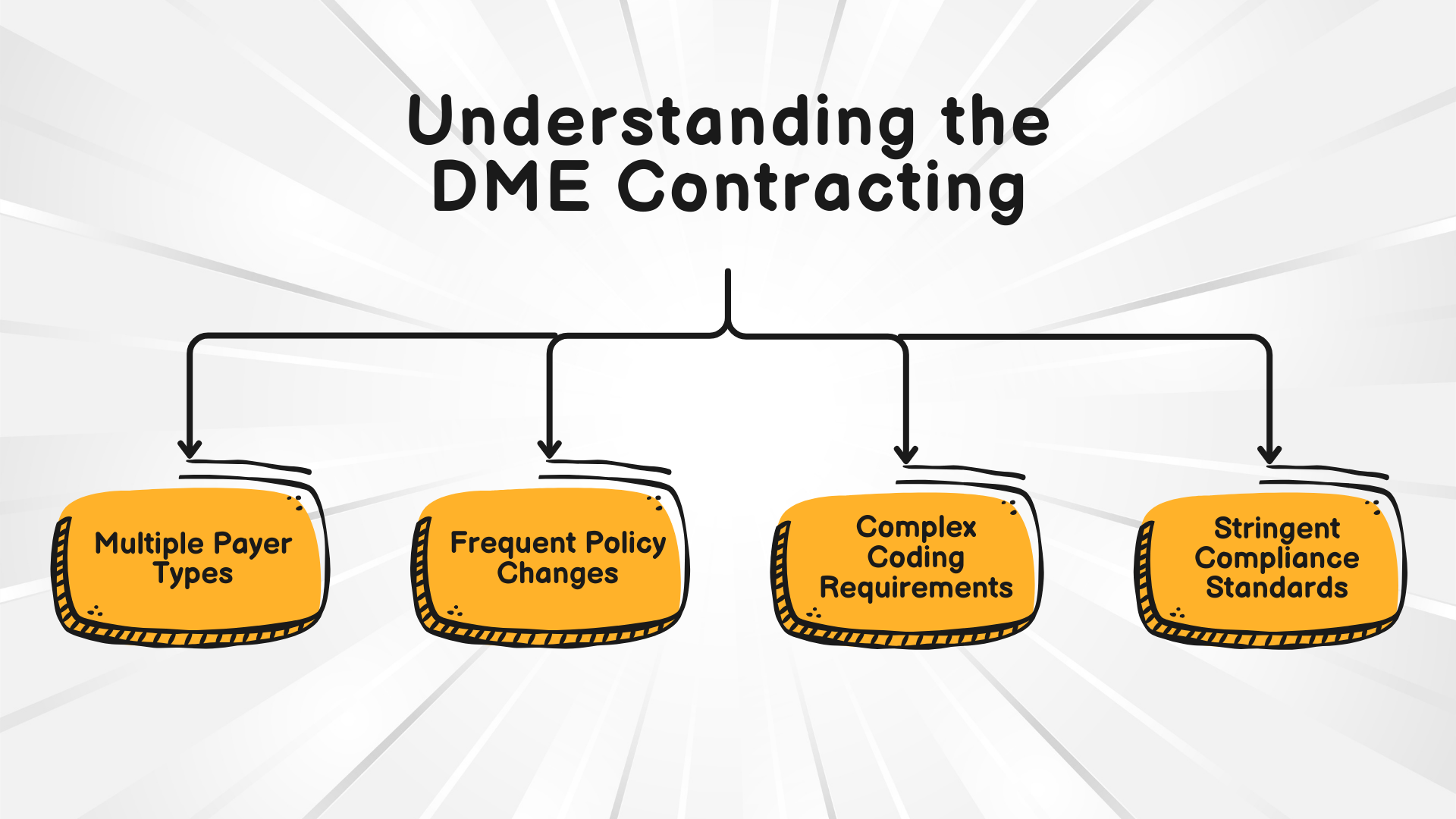
    DME Contracting

    The DME industry faces unique challenges when it comes to contracting:

    1. Multiple Payer Types: DME providers must navigate contracts with various entities, including private insurers, Medicare, Medicaid, and managed care organizations.

    2. Frequent Policy Changes: Reimbursement policies and rates often change, requiring vigilant contract management.

    3. Complex Coding Requirements: Proper use of HCPCS codes and modifiers is crucial for accurate reimbursement.

    4. Stringent Compliance Standards: Adherence to healthcare regulations and quality standards is non-negotiable.

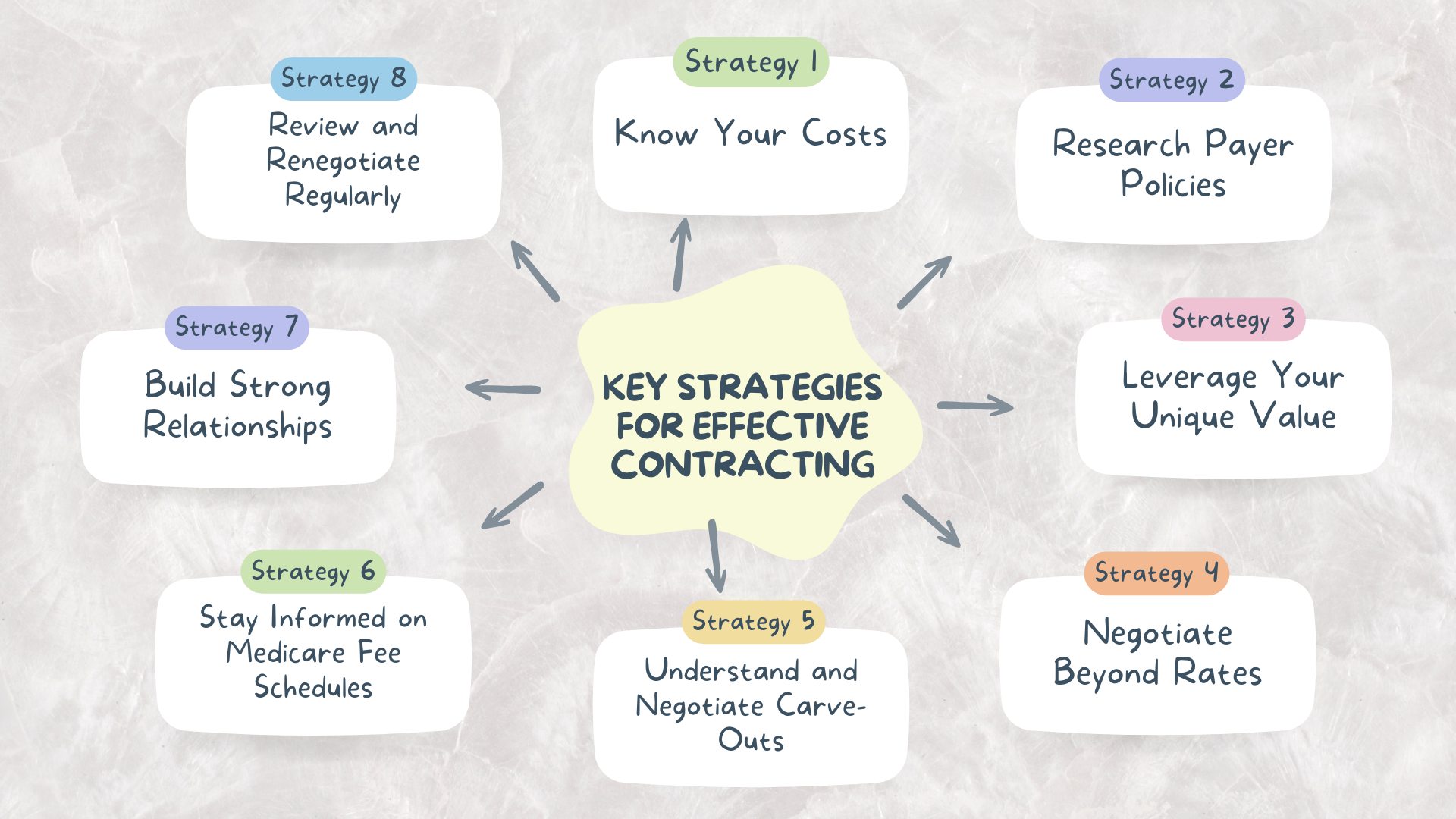
    Key Strategies for Effective Contracting

    Effective Contracting

    1. Know Your Costs: Before entering negotiations, have a clear understanding of your operational costs, including overhead, product costs, and delivery expenses.

    2. Research Payer Policies: Familiarize yourself with each payer’s reimbursement policies, preferred providers lists, and network participation requirements.

    3. Leverage Your Unique Value: Highlight what sets your DME business apart, such as specialized products, exceptional customer service, or advanced technology solutions.

    4. Negotiate Beyond Rates: While reimbursement rates are crucial, also focus on other contract terms like timely payment clauses, dispute resolution processes, and contract duration.

    5. Understand and Negotiate Carve-Outs: For certain specialized or high-cost items, negotiate carve-outs that allow for separate reimbursement outside of standard fee schedules.

    6. Stay Informed on Medicare Fee Schedules: Keep abreast of changes to Medicare fee schedules, as these often influence private payer rates.

    7. Build Strong Relationships: Cultivate positive relationships with contracting representatives. Good rapport can lead to more favorable negotiations.

    8. Review and Renegotiate Regularly: Set reminders to review contracts before renewal dates. Market conditions and your business’s position may have changed, warranting renegotiation.

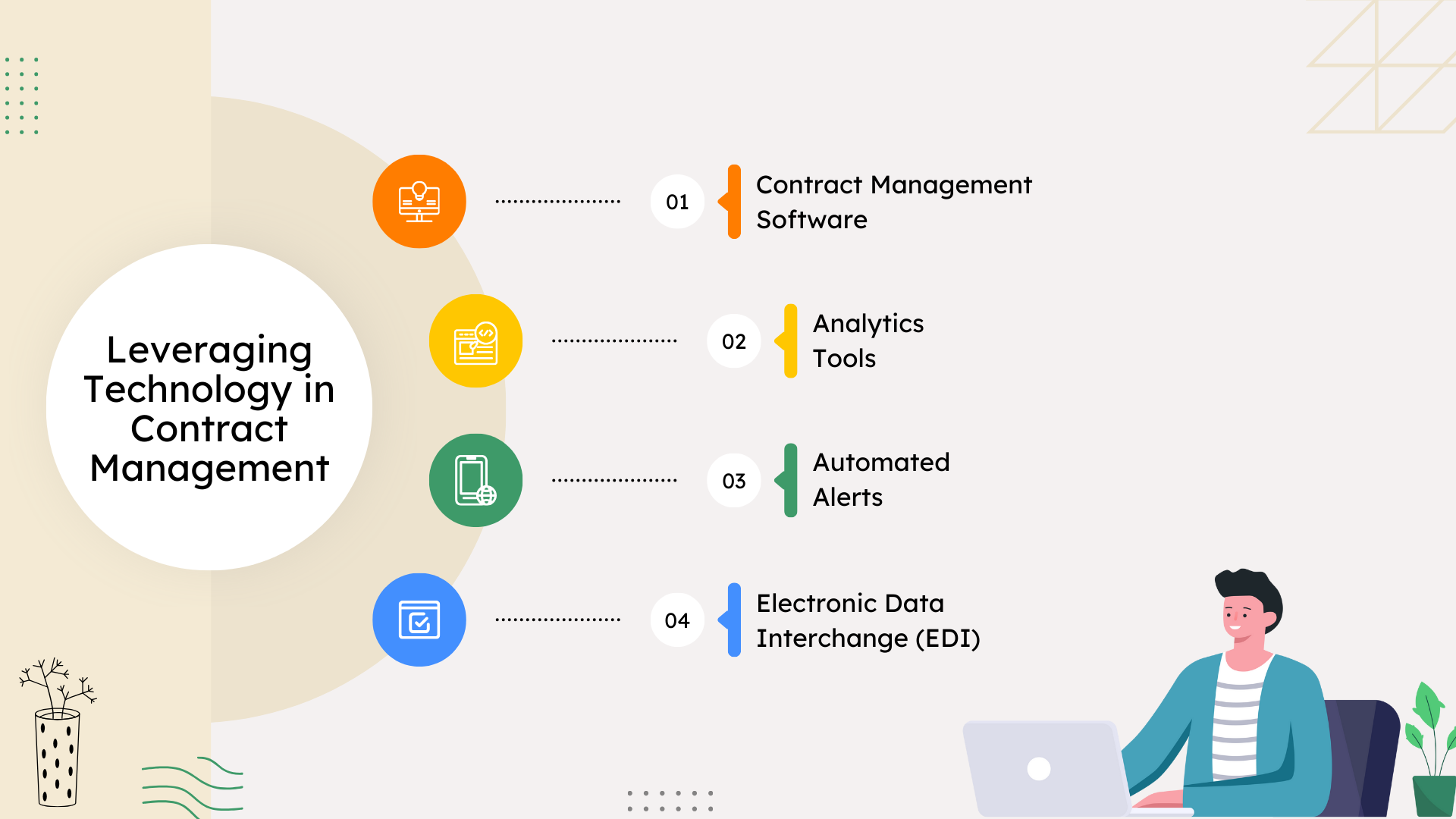
    Leveraging Technology in Contract Management

    Leveraging Technology

    Embracing technology can significantly enhance your contracting process:

    1. Contract Management Software: Invest in solutions that help track contract terms, expirations, and performance metrics.

    2. Analytics Tools: Use data analytics to identify trends in reimbursement and pinpoint areas for negotiation.

    3. Automated Alerts: Set up systems to alert you about contract renewals, policy changes, and important deadlines.

    4. Electronic Data Interchange (EDI): Implement EDI for smoother claims submission and faster reimbursements.

    How WWS Supports Strategic Contracting for DME Providers

    At WWS, we understand the intricacies of DME contracting. Our comprehensive solutions are designed to empower your contracting strategies:

    – Contract Analysis: Our experts review your existing contracts to identify opportunities for improvement and potential pitfalls.

    – Negotiation Support: We provide data-driven insights and industry benchmarks to strengthen your negotiation position.

    – Compliance Monitoring: Our systems help ensure your contracts and practices remain compliant with ever-changing regulations.

    – Technology Integration: We offer cutting-edge contract management tools that integrate seamlessly with your existing systems.

    – Ongoing Education: Stay informed about industry trends and best practices through our regular updates and training sessions.

    By partnering with WWS, you gain a strategic ally in your quest to maximize reimbursements through effective contracting. Our tailored approach ensures that your unique needs as a DME provider are met, allowing you to focus on what you do best providing quality care to your patients.

    Remember, strategic contracting is an ongoing process. By staying informed, leveraging technology, and partnering with experts like WWS, you can turn your contracts into powerful tools for business growth and financial success.

    References and Further Reading:

    1. Centers for Medicare & Medicaid Services (CMS) – DMEPOS Fee Schedule: https://www.cms.gov/Medicare/Medicare-Fee-for-Service-Payment/DMEPOSFeeSched
    2. American Association for Homecare – Payer Relations: https://www.aahomecare.org/payer-relations